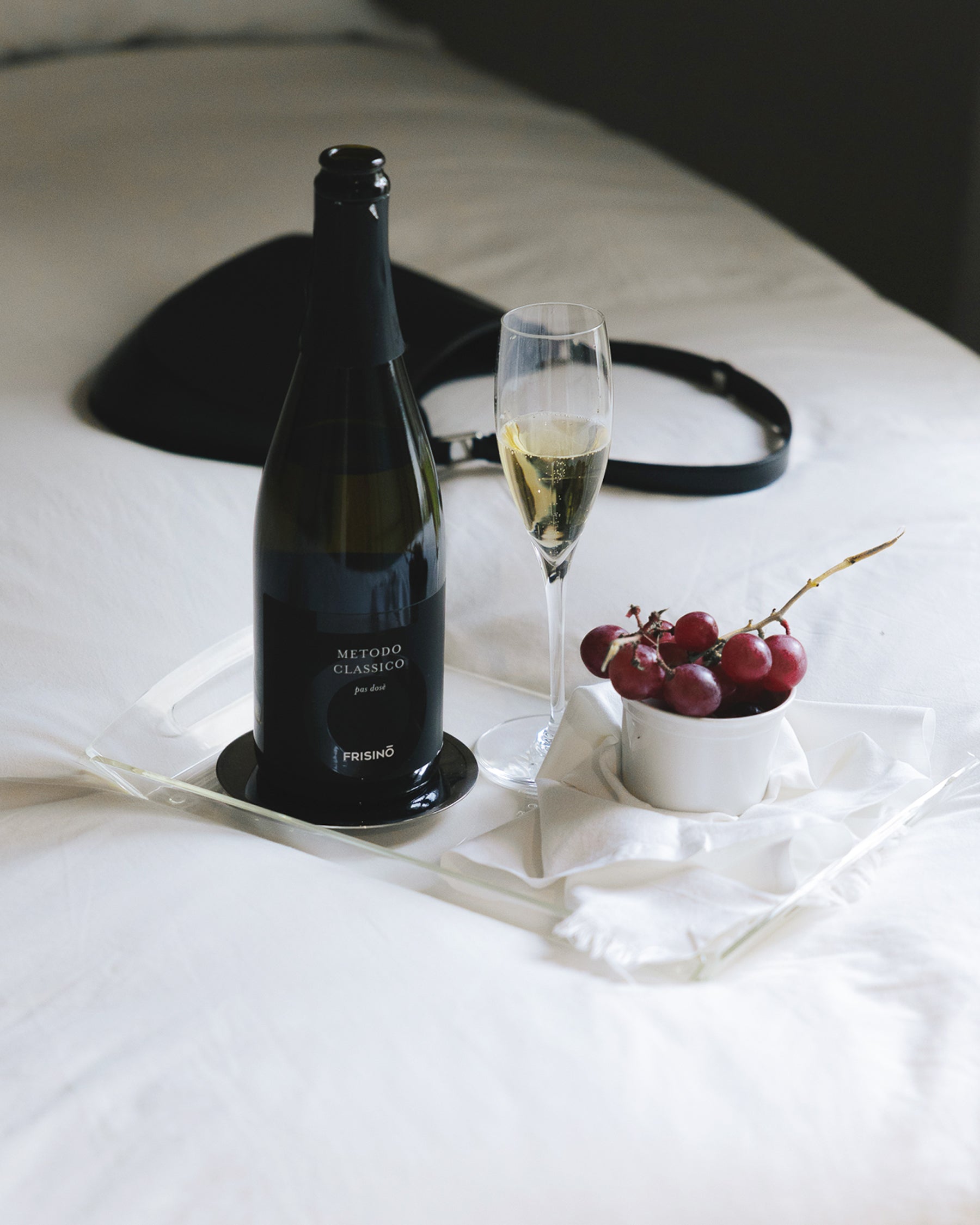
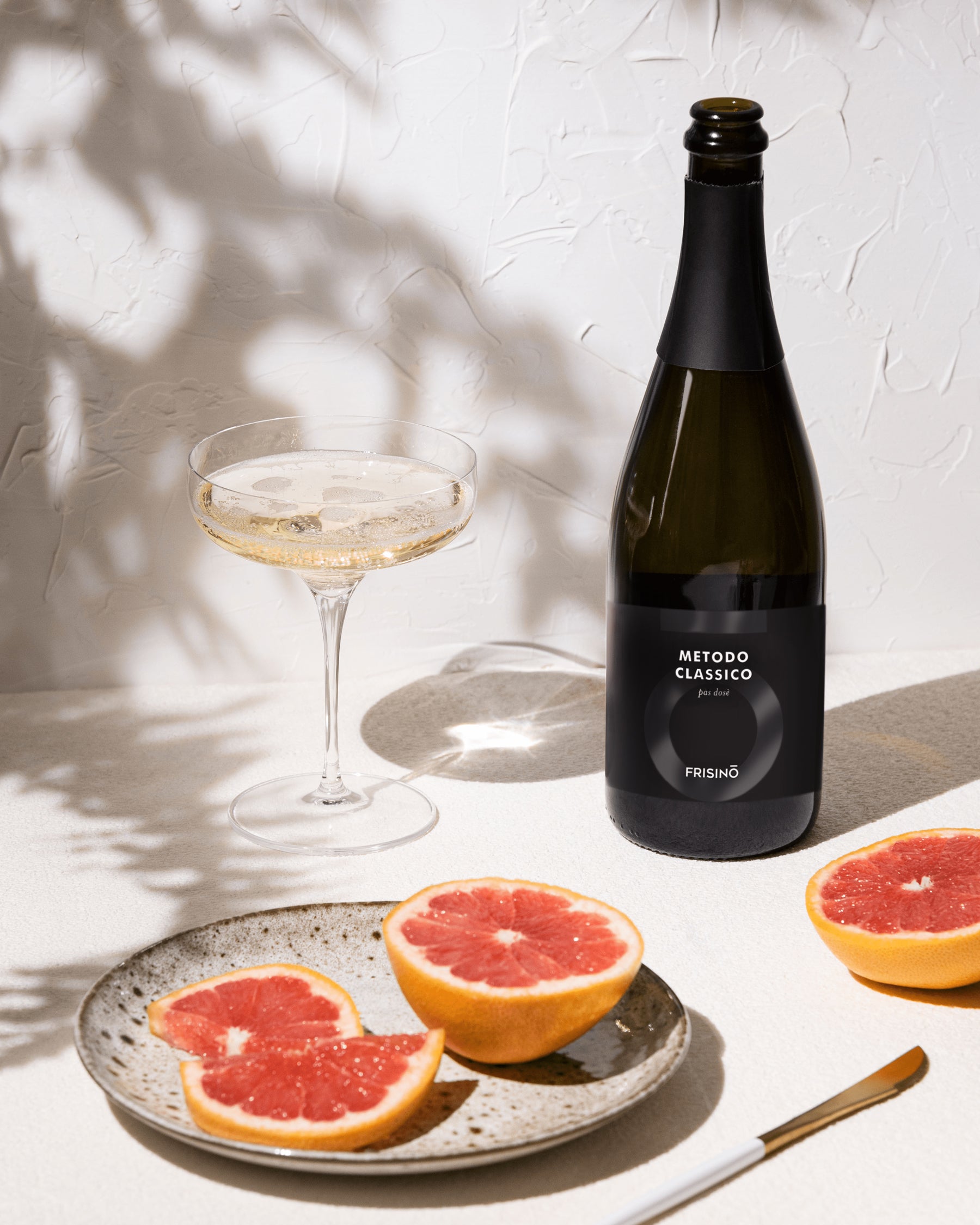
Metodo Classico Pas Dosé
Spumante - Sparkling Wine
SPARKLY | ELEGANT | FULL
→ the wine
→ the evo oil
→ the giftbox
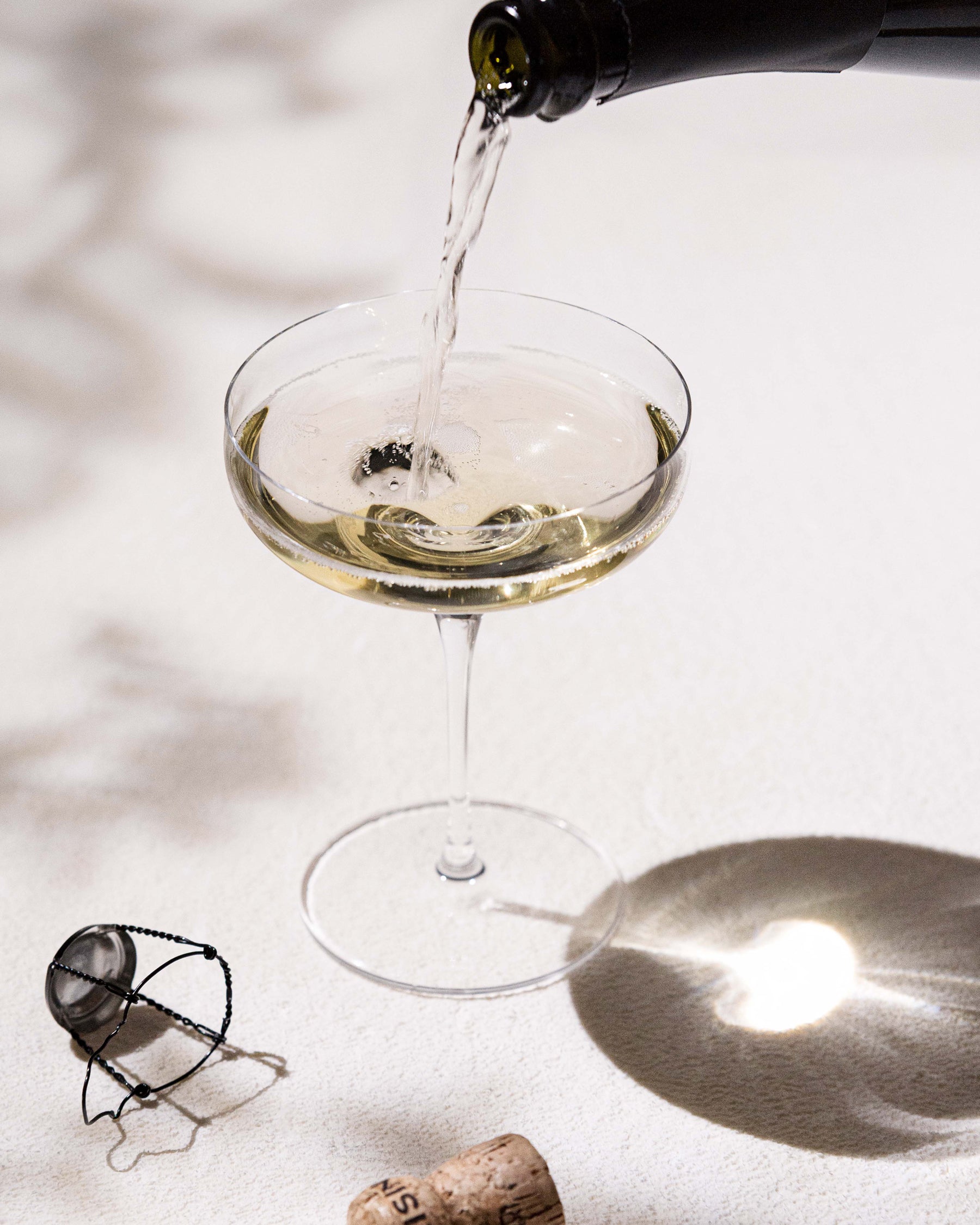
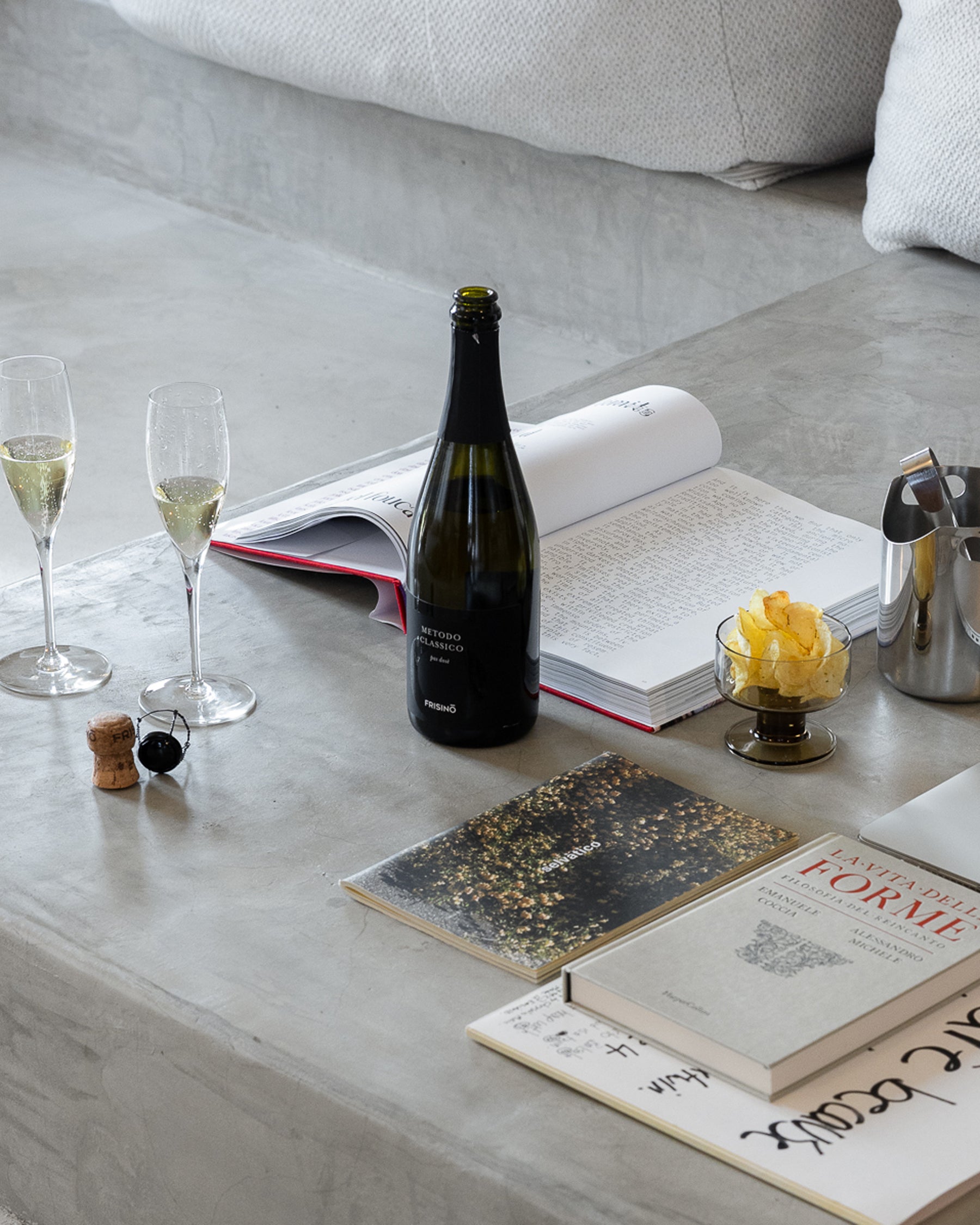
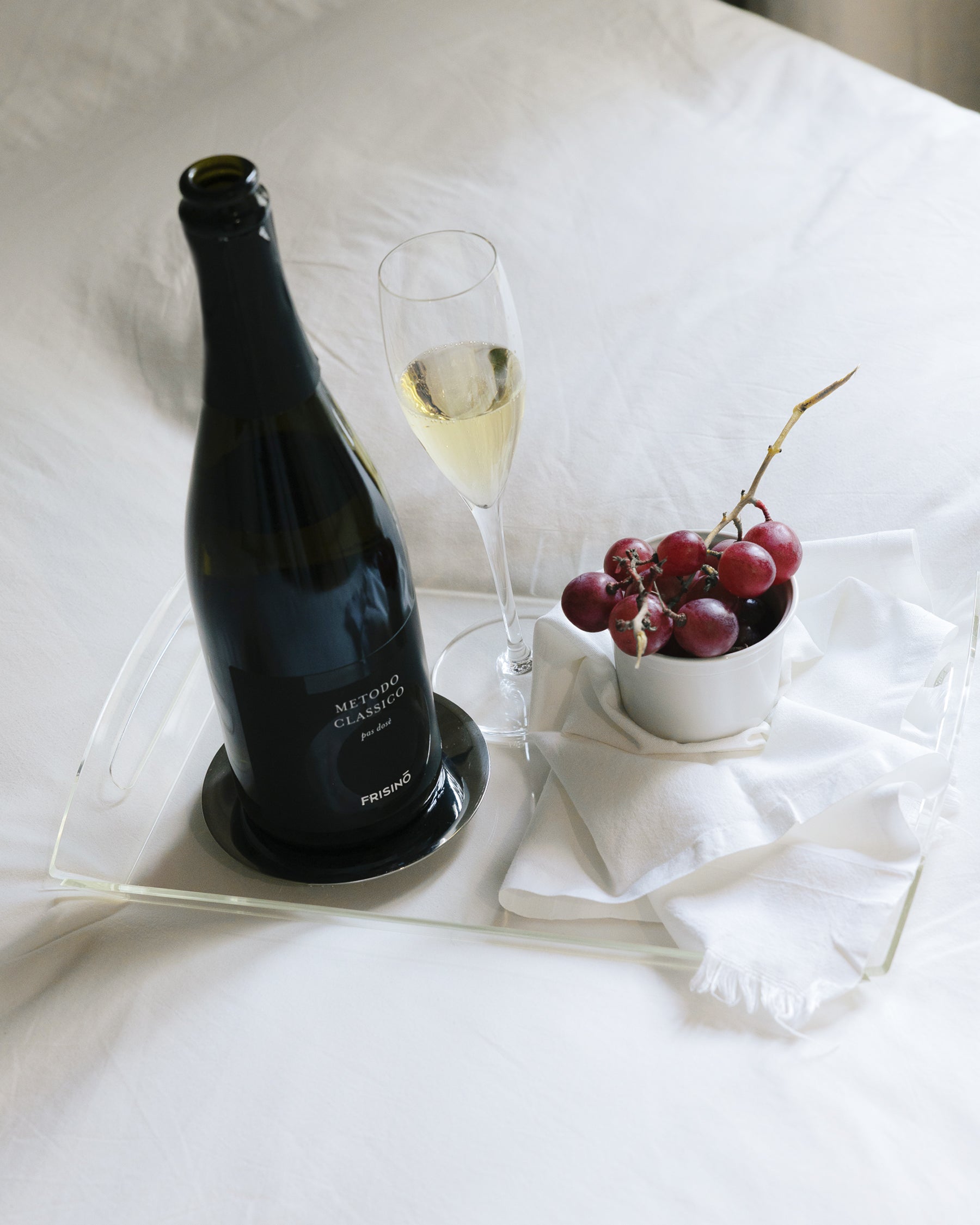
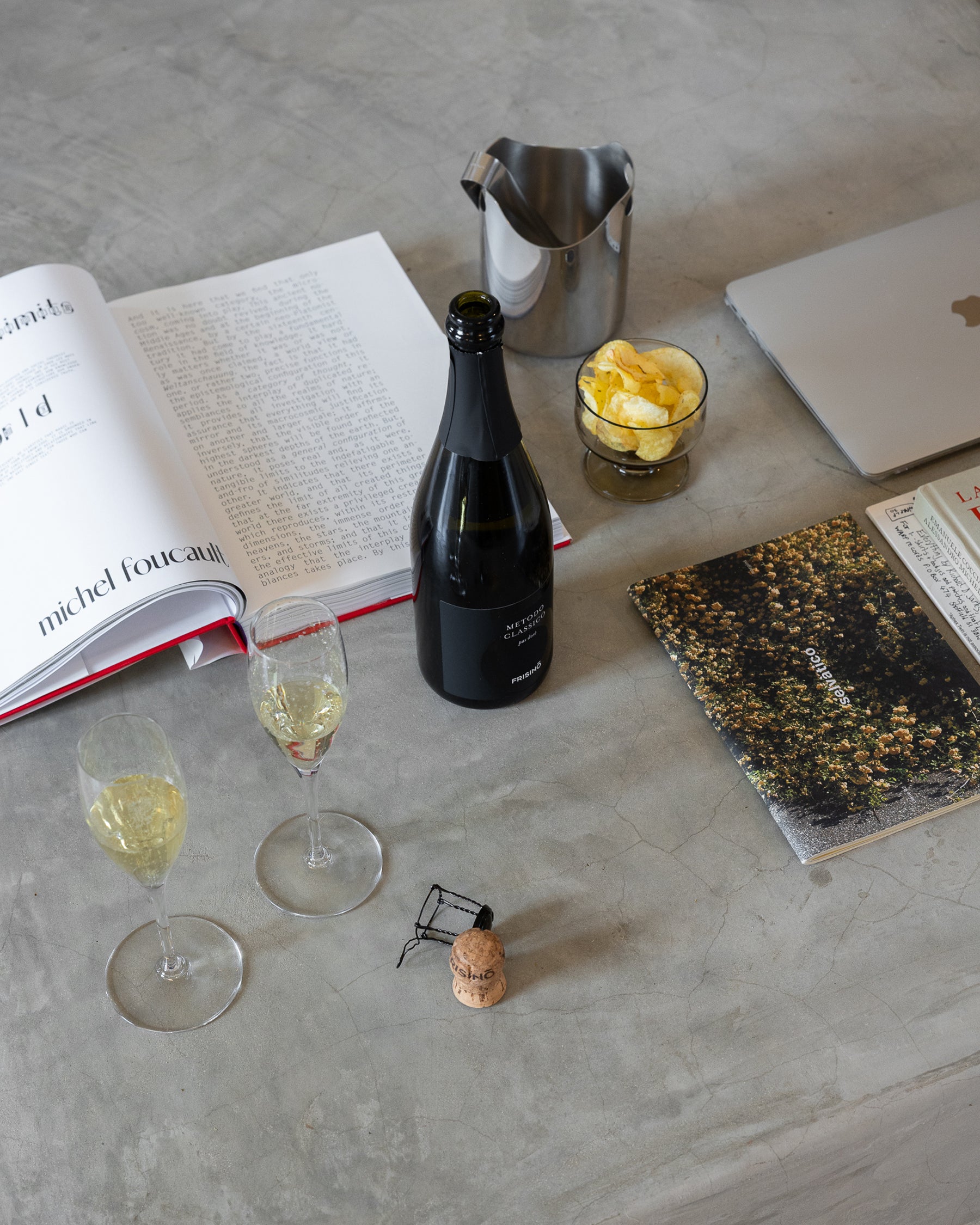
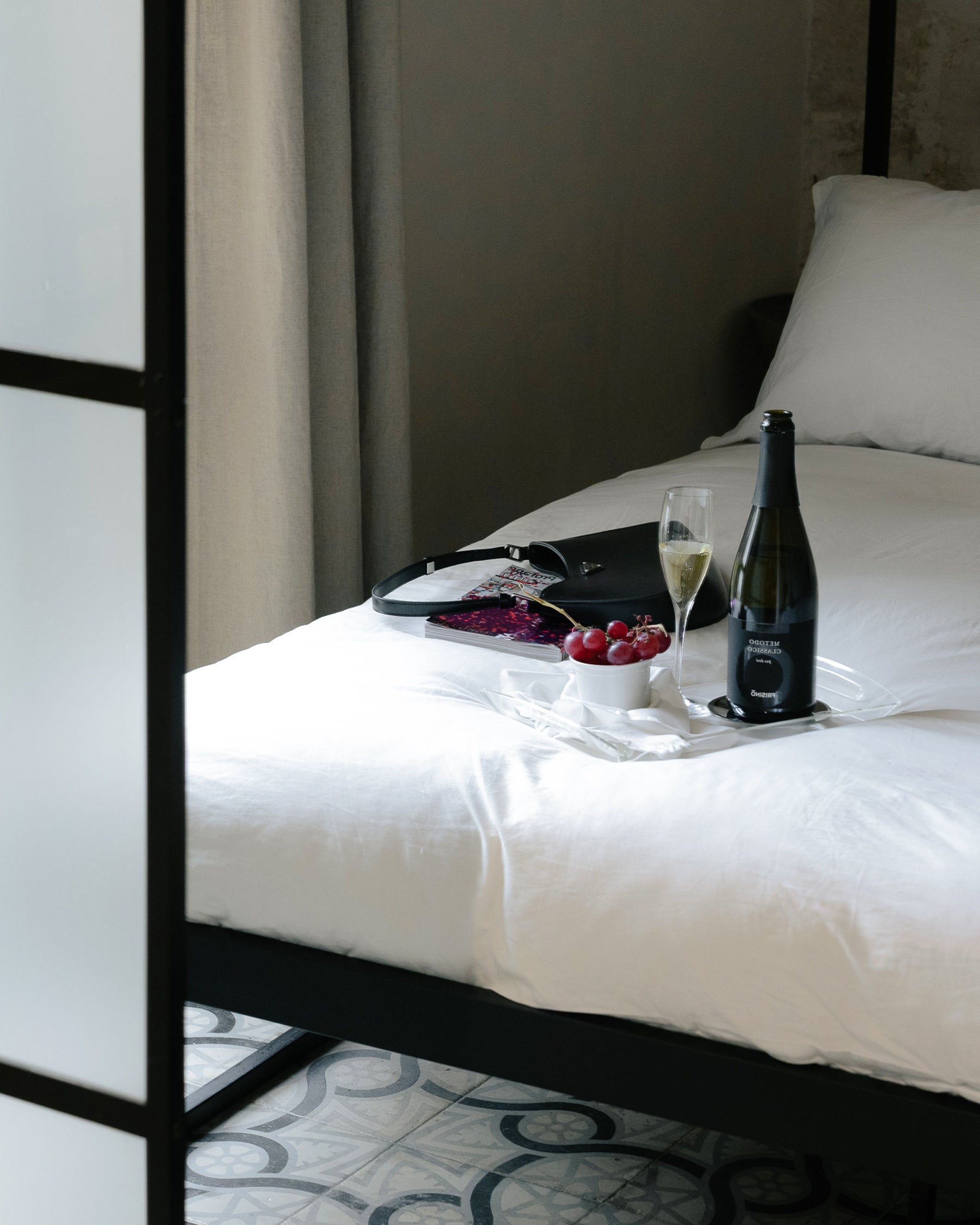
70% Verdeca Puglia IGP + 30% Chardonnay Puglia IGP This Metodo Classico Sparkling Wine, with a straw yellow color and golden hues. The nose reveals notes of quince and carob and pastry hints like melted butter and toasted bread. On the palate it's smooth and balanced, elegant with a fresh and subtle creaminess and a persistent acidity, but at the same time savory and mineral, full and structured. When poured it shows a dense foam with fine perlage.
*Wine sold and shipped exclusively in Italy
Free express shipping on orders over €100
Secure Payment
→ the story
More than a name, a concept. A choice of purity, precision and restraint. The black, tone-on-tone label, with its soft-touch texture and subtle polished details, reflects an idea of elegance that doesn’t seek attention And sets the tone for something unexpected: a sparkling wine that steps outside familiar regional patterns. A fine, persistent perlage gives rise to a dense, creamy foam, for a wine with a contemporary spirit designed to be experienced slowly.
Few Curiosities
SOIL: Calcareous‐clayey
CLIMATE: Total annual rainfall: 875 mm Average temperature 1 April - 10 October: 19,7 °C
HARVEST PERIOD: end of august / early september
VINIFICATION: The first fermentation takes place in steel tanks, followed by a second fermentation that finishes in the bottle. The wine then undergoes refinement on the lees for 30 months. Disgorgement is performed by hand à la glace, with no addition of liqueur d’expédition (0g/l).
ALCOHOL: 12% ABV
Enologist's Notes:
A great match for
FISH
Gallery
Vineyard Sourcing

Reviews
Related Products
Frequently Asked Questions
A wine is considered tannic when it creates a sensation of dryness or astringency in the mouth, caused by tannins found in grape skins, seeds, or wood. When well balanced, tannins provide structure and ageing potential.
White wines and sparkling wines are best served between 8 and 12°C (46–54°F), while red wines express their aromas and structure best between 16 and 18°C (61– 64°F).
Ageing refers to the resting period after fermentation—whether in stainless steel, wood, or bottle—during which the wine develops complexity, balance, and more refined aromas.
Decanting is recommended for structured or aged red wines to separate any sediment and encourage oxygenation. The wine is poured slowly into a decanter; even young, tannic reds can benefit from decanting, becoming more harmonious.Decanting is recommended for structured or aged red wines to separate any sediment and encourage oxygenation. The wine is poured slowly into a decanter; even young, tannic reds can benefit from decanting, becoming more harmonious.
In the Metodo Classico, secondary fermentation takes place in the bottle, followed by extended ageing on the lees, resulting in elegance and complex aromas. In the Metodo Charmat, secondary fermentation occurs in pressurized tanks, producing a sparkling wine that is fresh, aromatic, and immediately expressive.
Wine should be stored in a cool, dark place at a constant temperature. Bottles sealed with natural cork should be stored horizontally to keep the cork moist and ensure a proper seal over time.
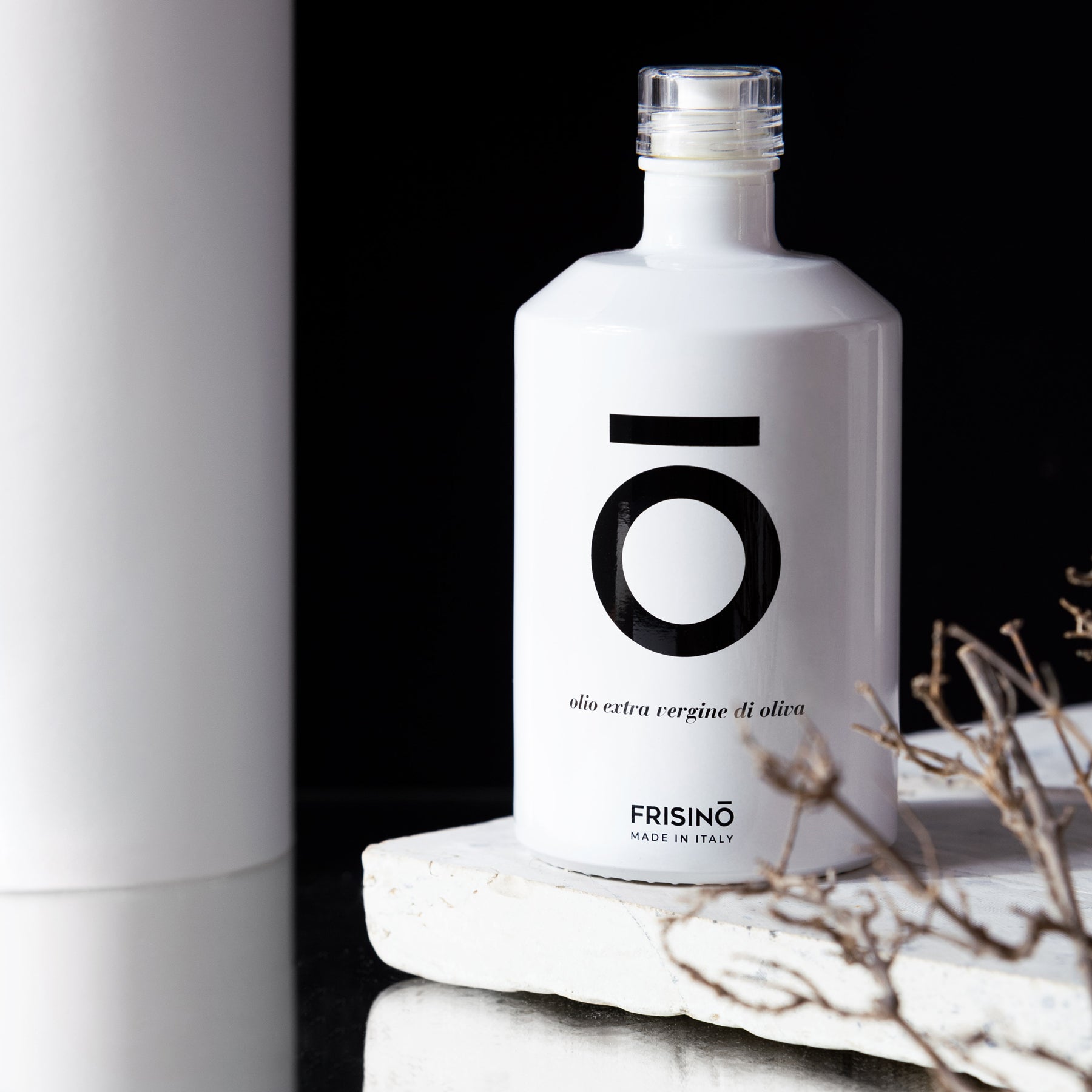
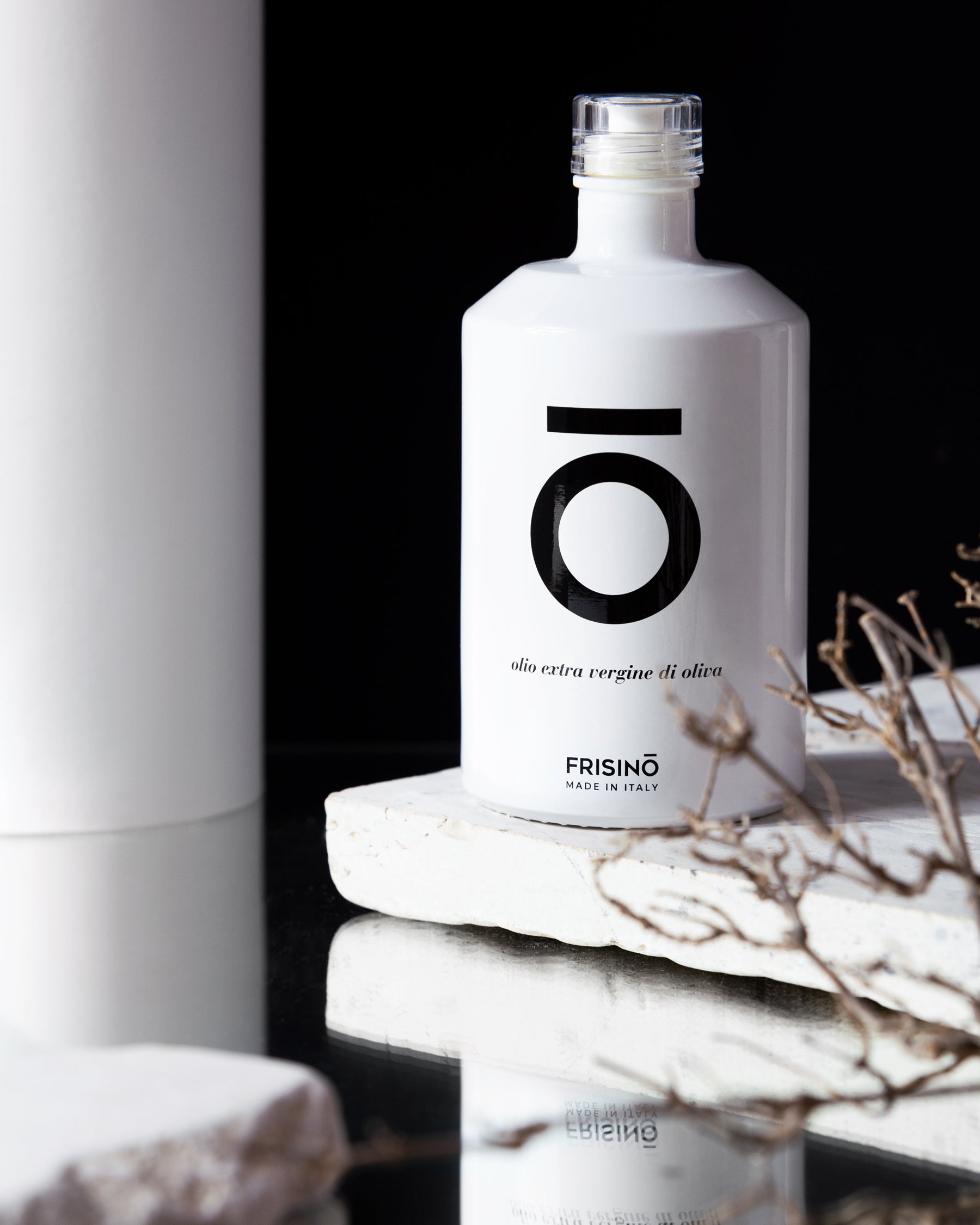
The olives are harvested early, when they are still green or just beginning to ripen. This early harvest results in an oil richer in aromas and polyphenols, with greater oxidative stability.
Frisino olive oil is cold-extracted using a modern two-phase system that preserves the olives’ natural characteristics. It is then filtered, a crucial step to ensure long-term stability, aromatic clarity, and optimal preservation.
The bag-in-box format offers optimal protection from oxygen and light. Its vacuum system prevents oxidation during use, keeping the oil fresh for longer. It is also a lighter, more practical, and more sustainable solution.
Coratina is an Apulian cultivar with a bold, intense character: pronounced bitterness and spiciness, and a high polyphenol content. It is a structured oil, ideal for dishes with strong, robust flavors. Peranzana is more delicate and elegant, with notes of tomato, fresh grass, and almond. Its harmonious profile makes it perfect for balance and versatility.
Extra virgin olive oil should be stored in a cool, dry place, away from light and heat sources. The best-before date is indicated on the label; however, to fully appreciate its aromas and properties, we recommend consuming it within the production year.
This sensation is a sign of high quality and is caused by polyphenols—powerful natural antioxidants that help protect cells from oxidative stress. In short, a balanced throat “sting” indicates an oil rich in beneficial compounds.



.svg)